A Journey Through One of Earth’s Extraordinary places
English Riviera UNESCO Global Geopark immerse yourself in one of Earth’s Extraordinary Places.
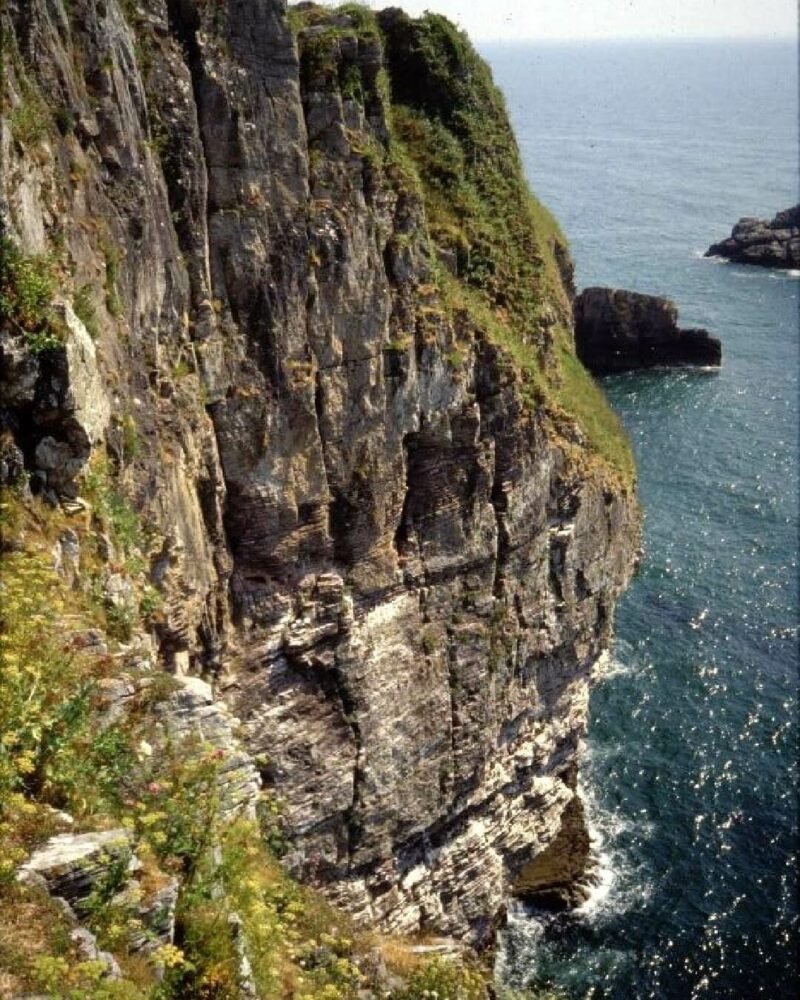
Discover one of Earth’s Extraordinary Places. An area that gave its name to one of the principal periods of geological time. Spectacular rock structures formed 400 million years ago, south of the equator, twisted and folded over time. Home to the oldest fossilised trees from the Devonian period.
The English Riviera’s dramatic scenery, exceptional coastline and rocks were formed millions of years ago. Our coastal UNESCO Global Geopark reveals a landscape untouched by glaciation and seen nowhere else on Earth. Wander coastal and inland trails that tell stories of raised beaches, sabre-toothed tigers and the home to Britain’s earliest occupants.
Covering the area of Torquay, Paignton and Brixham the UNESCO Global Geopark designation is the highest level of international recognition an area can be awarded for its extraordinary geology, and linked environment, heritage and culture.
At first glance, the English Riviera might seem an unlikely place to be recognised by UNESCO but delve just a little deeper and you’ll find the area’s unique and internationally significant geology has influenced its stunning landscape and biodiversity leading to one of the highest concentrations of land and marine based designated sites in the UK. With a wealth of recognised historical and cultural sites too, the geology has even shaped the area’s incredible human history. From providing shelter to the earliest prehistoric people and animals in Kents Cavern, to creating ideal conditions for the monks to thrive at Torre Abbey, it protected Nelsons fleet out in the bay from the prevailing winds and of course enabled the development of Brixham as a fishing port. A place that has influenced both artists and writers, the Geopark is packed full of stories to share from 400 million year old fossils to the life of Agatha Christie. All of this and more contributes to our Geopark story.
Day One
Morning
Activity 1: Deep time in Kents Cavern
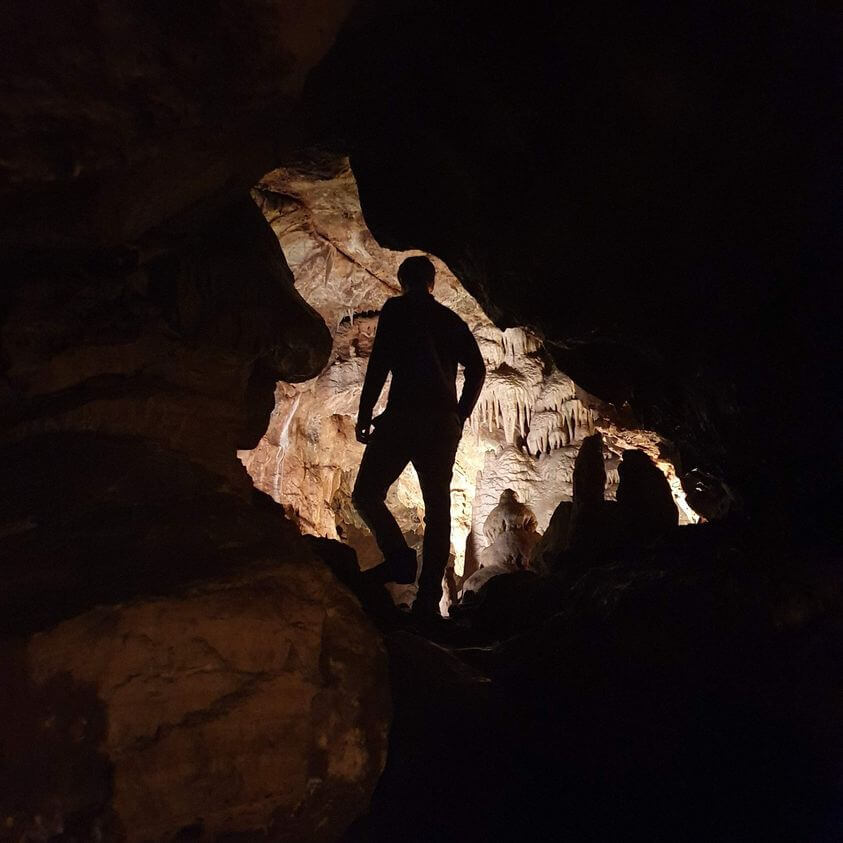
Discover one of Europe’s most important prehistoric cave systems and step into a world once walked by early humans and Ice Age animals. Carved from Devonian limestone that formed around 380 million years ago, Kents Cavern is also the birthplace of modern archaeology, extensively excavated by William Pengelly between 1865 and 1880. Its most remarkable find came in 1927, a human jawbone fragment, carbon dated to 41,000–44,000 years old, making it the UK’s oldest human fossil.
Activity 2: Study the artefacts
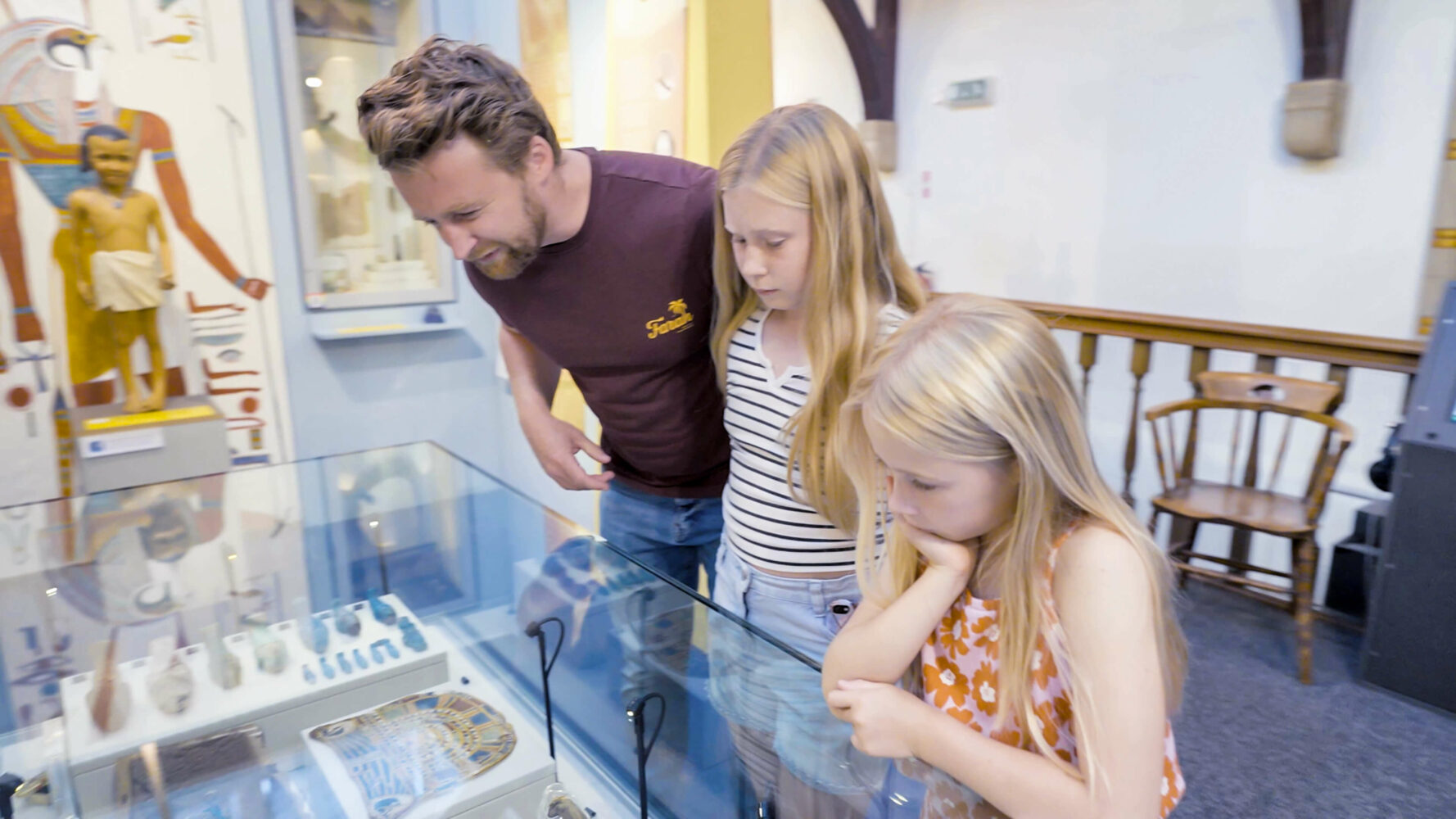
On your way back to Torquay Harbourside, why not stop by Torquay Museum. Founded in 1844, this building was designed by the architect William Harvey Jnr. in the Venetian – Gothic style. Looking up, can you spot the two terra-cotta tympana depicting the Arts and Nature designed by John Philip? The museum hosts more than 1,600 artefacts of tools and finds from nearby Kents Cavern and other local caves as well as over 400 artefacts from Ancient Egypt.
After your visit, enjoy lunch around Torquay Harbour, where you can relax in one of the many restaurants, cafes or bars and simply watch the world go by.
Travel Recommendations
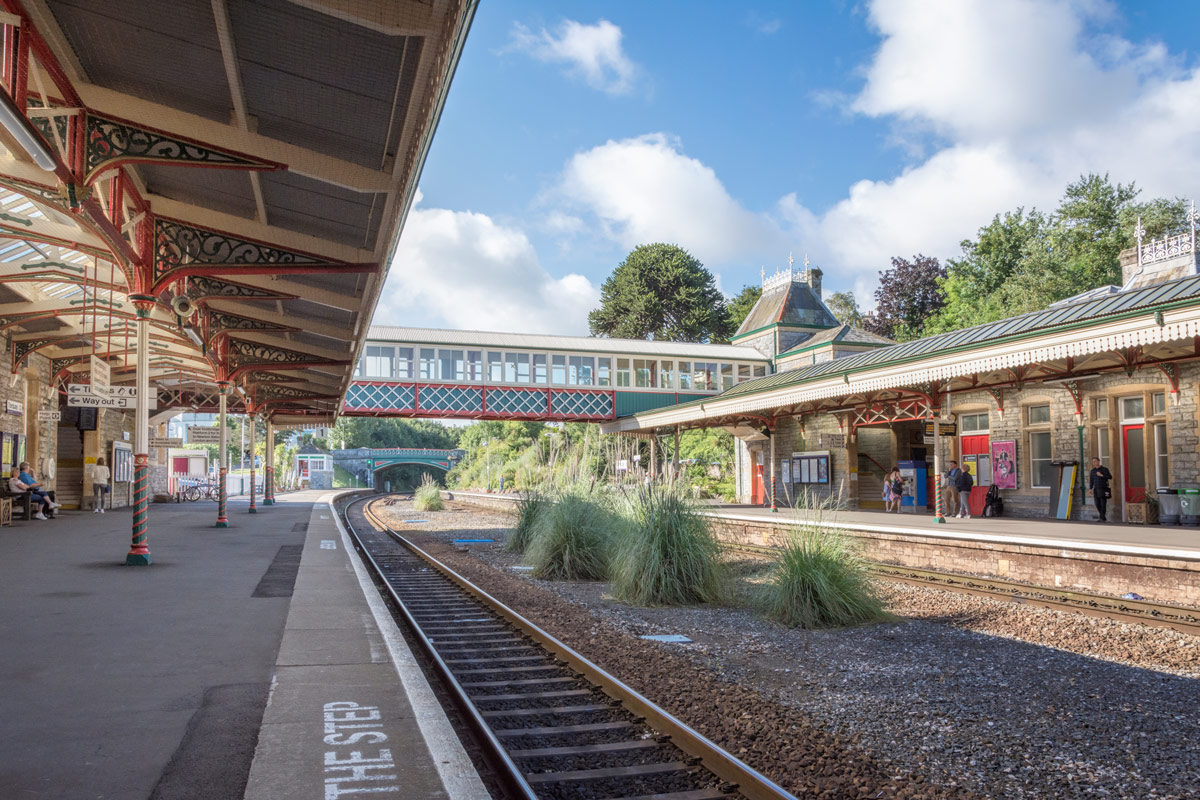
Take the train to Torquay Train Station. Thereafter, take bus no 22 from Grand Hotel to Kents Cavern. From Kents Cavern you can either follow the South West Coastal Path or take bus no 22 back to Torquay Harbour. |
||
Torquay Train Station |
Visit | Map |
Bus route no 22 |
Visit | |
Grand Hotel Bus stop |
Visit | Map |
Kents Cavern Bus stop |
Visit | Map |
Afternoon
Activity 3: Seek some coastal outdoor adventure
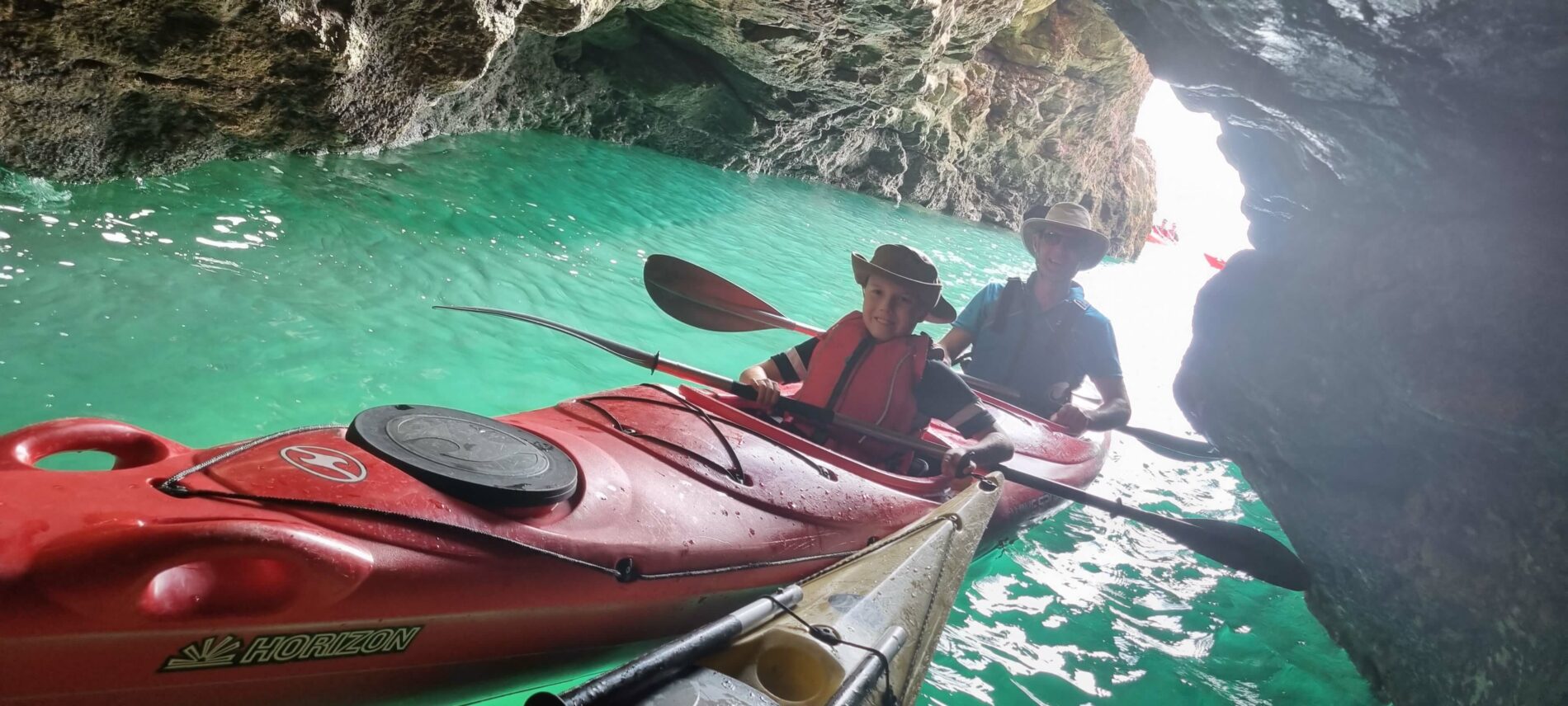
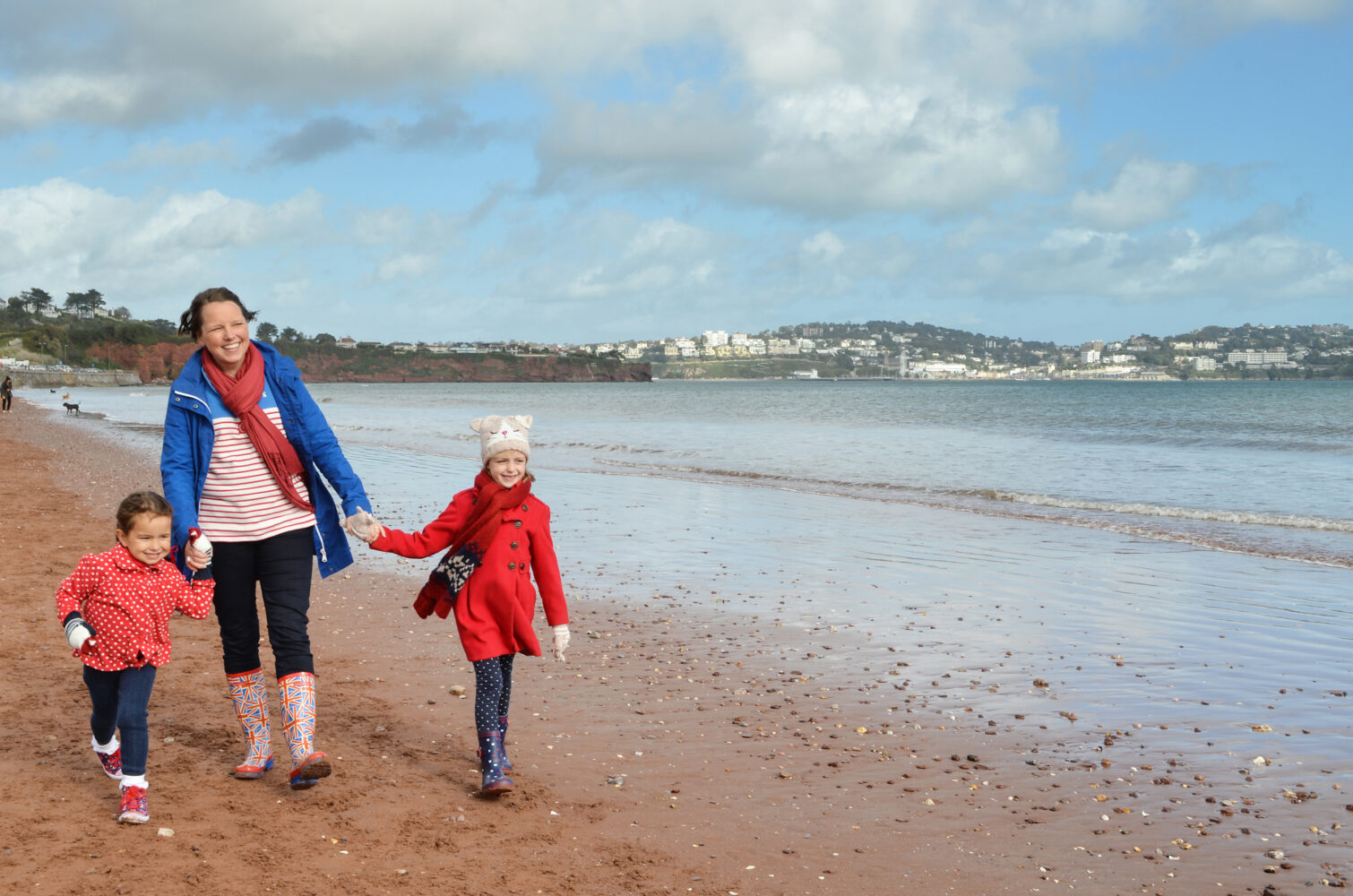
Discover the magic of the English Riviera – home to 20 beautiful beaches and countless hidden coves, it offers everything from red sand to shingle, long sweeping bays, turquoise sea caves and crystal clear shallow waters perfect for rockpooling, sea swimming, exploring or simply soaking up the sun. This is an adventurer’s playground, where dolphins, porpoises, and sunbathing seals share the coast with secluded beaches rich in Devon’s protected fossils.
As you walk along the sea front take a closer look at the sea wall beside Torre Abbey Sands — it tells a geological story millions of years in the making. Parts of the wall are built from grey Devonian limestone and red Permian breccia. Within the limestone pebbles embedded in the breccia, you can spot fossil corals, stromatoporoids and other ancient marine life. Beyond the sea wall you will spot Torre Abbey, the best-preserved medieval abbey in Devon and Cornwall founded in 1196 and once a home for Premonstratensian canons and the Cary family.
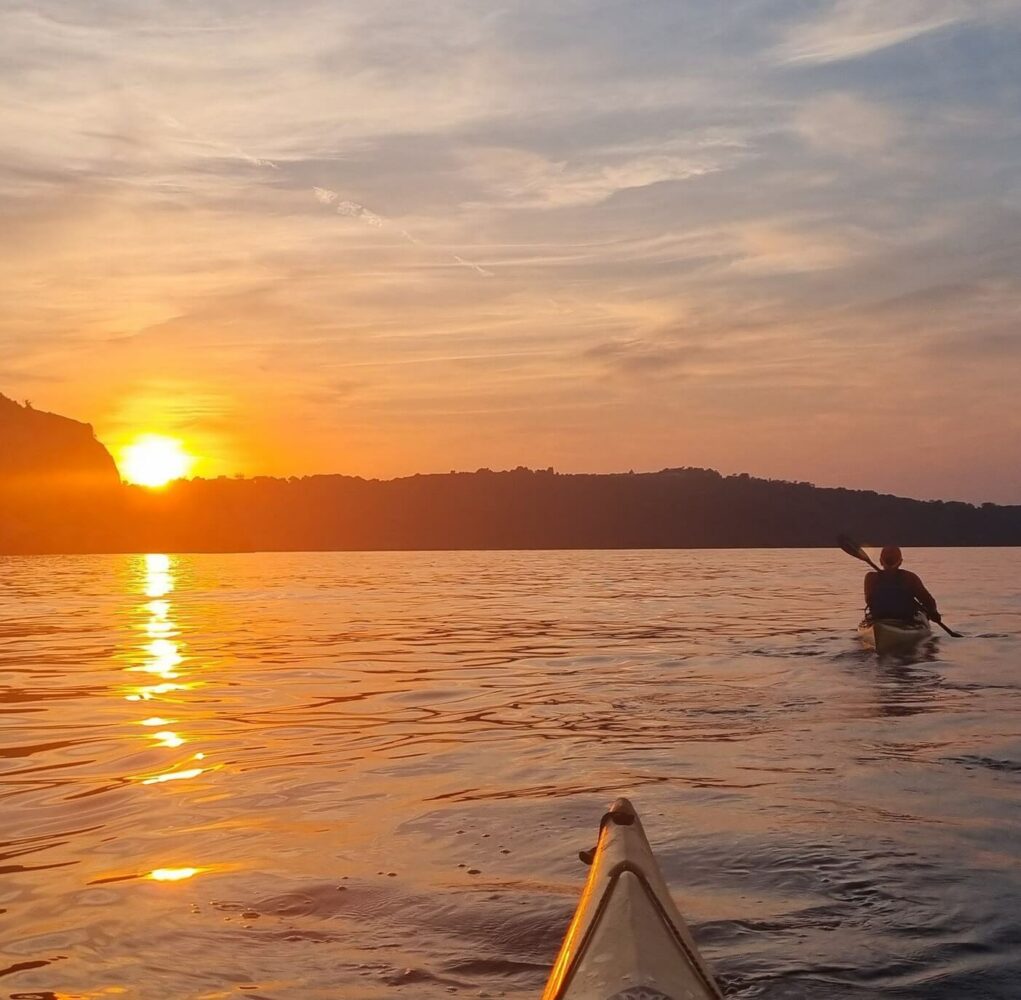
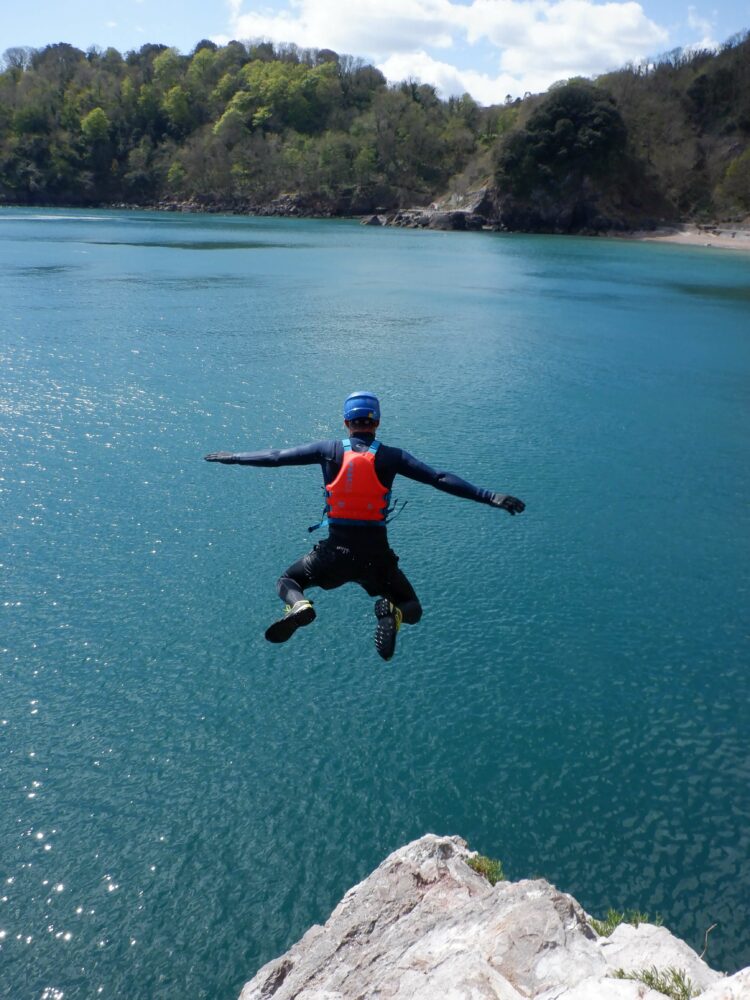
Why not seek coastal adventure with Reach Outdoors or Sea Kayak Torbay? Try coasteering, kayaking or Paddle boarding along the English Riviera coast and see the Geopark from the water.
Evening
Activity 4: Sunset and Sea Views
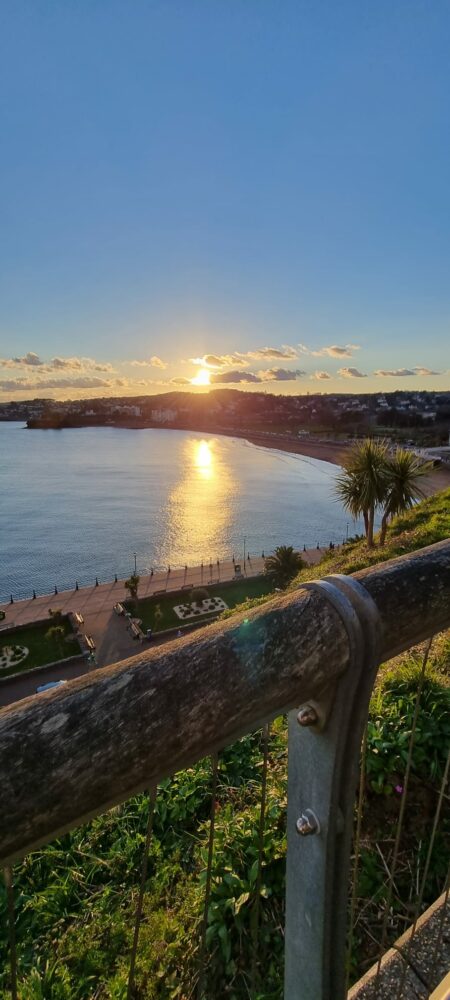
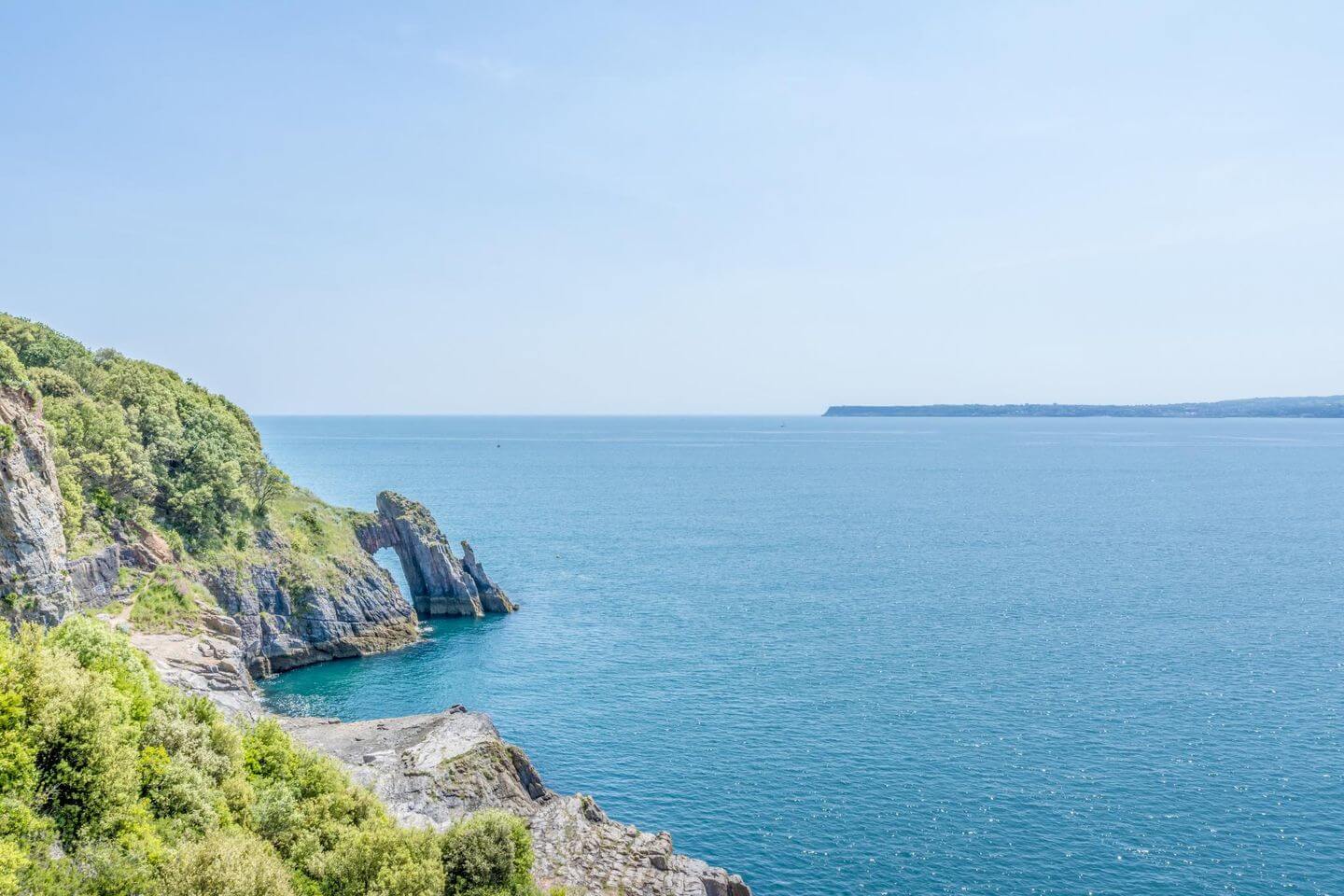
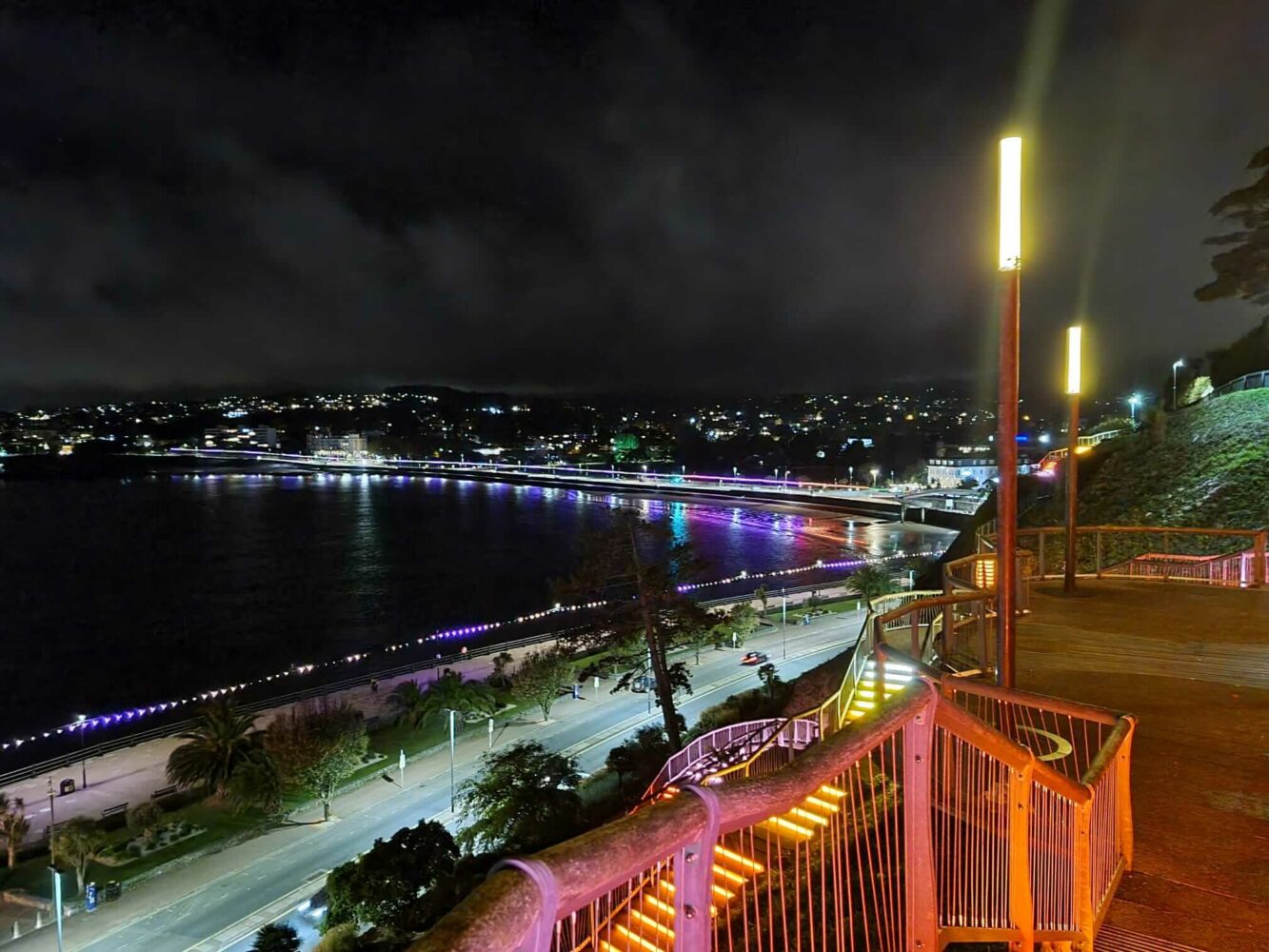
Stroll back towards town or catch the no 12 bus to Torre Abbey Sands and watch the sun set over the Geopark from what locals call Rock Walk, officially the Royal Terrace Gardens, a dramatic cliff face with walkway and observation platform. In the evening air you can follow the illuminated staircase to a viewing platform with sweeping views across Tor Bay, all the way to Berry Head. Built into the side of a sea cliff with reclaimed land at its base, the Royal Terrace Gardens also reveal patches of distinctive pink bedrock along the walk.
After taking in the sunset, enjoy al fresco dining along the seafront and harbourside, from cosy family‑run bistros to a Michelin‑starred restaurants. Whether you’re after local flavours or global cuisine, there’s something to savour as the day ends.
Day Two
Morning
Activity 5: Walk some of the South West Coast Path
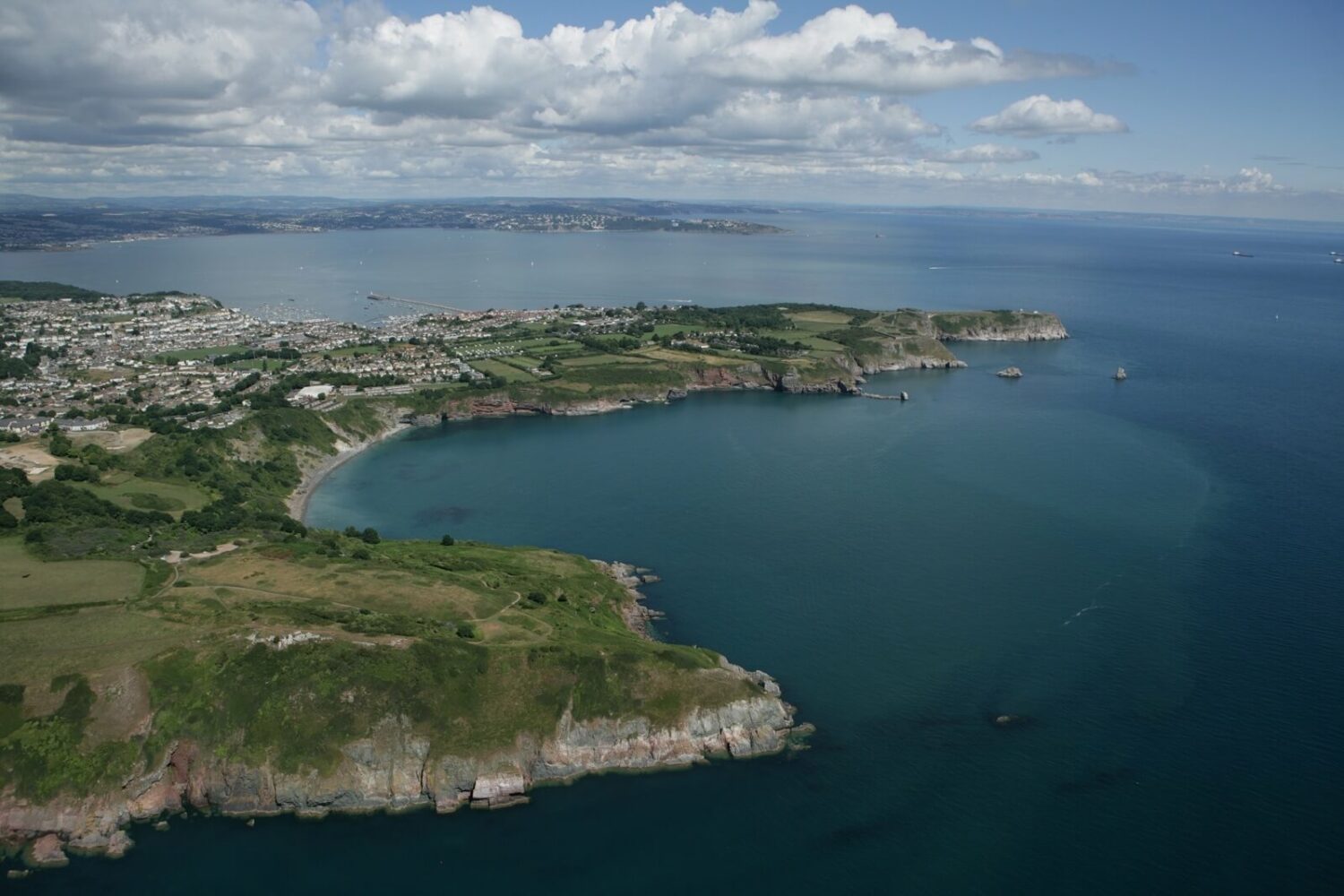
The English Riviera’s 22-miles of stunning South Devon coastline form part of the famous 630 mile South West Coast Path.
Set off with your two‑ or four‑legged companions and choose from easy, moderate or more challenging routes. Along the route you can explore beaches, escape to secluded coves or take in the stunning views over the Bay from many viewing points. Ensure to look out for the acorn image signs and coloured arrows to help guide you along your way.
Activity 6: Attractions and experiences to discover
With more than 22 miles of stunning coastline, you can enjoy the water and experience the Geopark from a completely different perspective; the sea itself. From Paignton Harbour, take a relaxed cruise to Brixham or join a fishing or wildlife‑spotting trip, where you can watch seabirds and marine life along the coast’s natural sanctuaries.
Have lunch in Paignton or head to Brixham, home to one of the UK’s largest fishing fleets and a bustling working harbour. If you fancy something freshly landed at Brixham Fish Market, explore our curated guides: The best places to Eat on the English Riviera and Pubs, Bars & Beer Gardens Torquay, Paignton & Brixham – English Riviera
Afternoon
Activity 7: Walk some more of the South West Coast Path
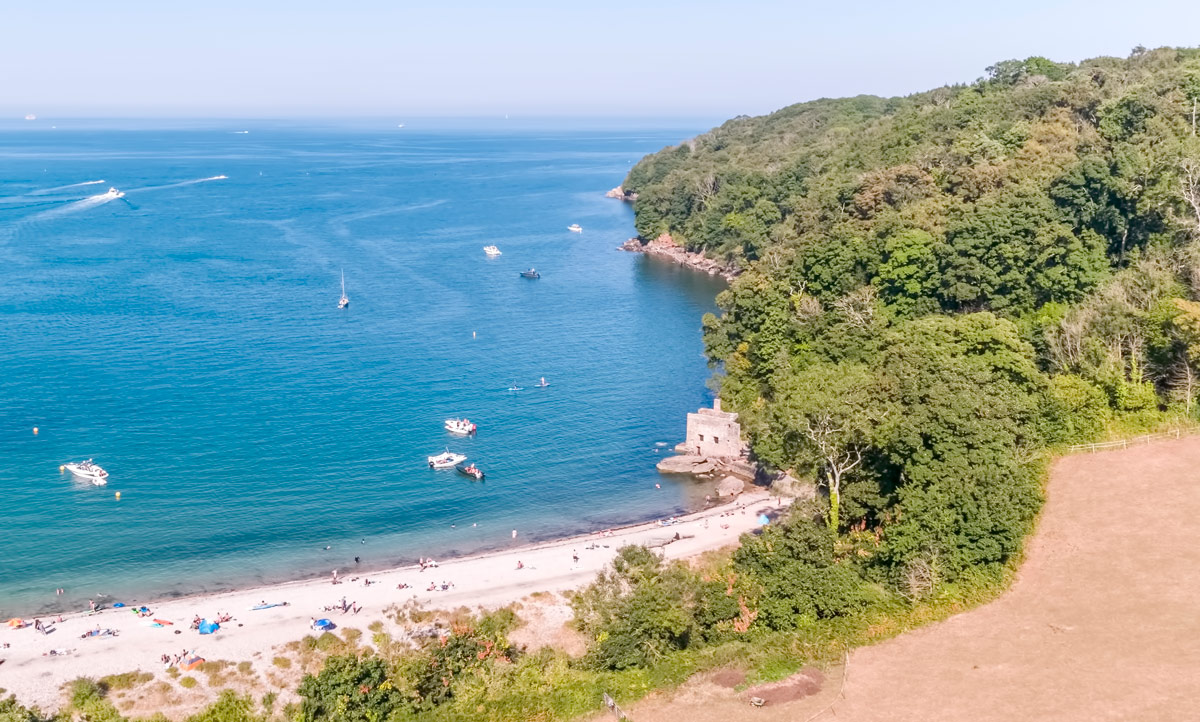
The South Devon – South West Coast Path has a variety of walks which you can explore. Why not visit one of Agatha Christie’s favourite bathing spots Elberry Cove via the Riviera Line – Paignton Station- Brixham – Walk – South West Coast Path? This shingle and pebble beach sits beneath beautiful wooded hills and can be challenging to reach, with steep steps descending from the Coast Path. Once down, glance along the beach and you will be able to spot a romantic 18th-century ruin which are the remains of Lord Churston’s bathhouse.
Activity 8: Take a stroll
Stroll along the Paignton Town Geology Trail and spot fascinating geological features such as Permian sandstones, breccias and Devonian limestone blocks rich with fossils. Alternatively, try one of the Healthy Selfie Trail | Walks walking either around Paignton Harbour to Preston Sands and back, or around Brixham Harbour and the Breakwater. You may even spot wildlife along the coast and harbour.
Did you know there are submerged forests just off the shore of Torre Abbey Sands, Goodrington Sands and Broadsands Beach? These can only be viewed at low tides after storms.
Travel Recommendations
Walk along the South West Coast Path passing Elberry Cove to Brixham and catch no 12 bus back or walk around Paignton town and harbour. |
||
South West Coast Path |
Visit | Map |
Walk – Riviera Line – Paignton Station- Brixham |
Visit | |
Paignton Train Station |
Visit | Map |
Bus no 12 |
Visit | |
Bus stop Town Square, Brixham |
Map | |
Paignton Bus Station |
Visit | Map |
Evening
Activity 9: Enjoy a show or performance
Paignton town is built on New Red Sandstone, specifically Oddicombe Breccia of the Permian-Triassic period. The Oddicombe Breccia formed when Torbay was a desert environment. Fragments of rocks were moved by flash floods through dry valleys and eventually ended up on open plains. Over millennia, these deposits accumulated, creating the red rock we see throughout the town today.
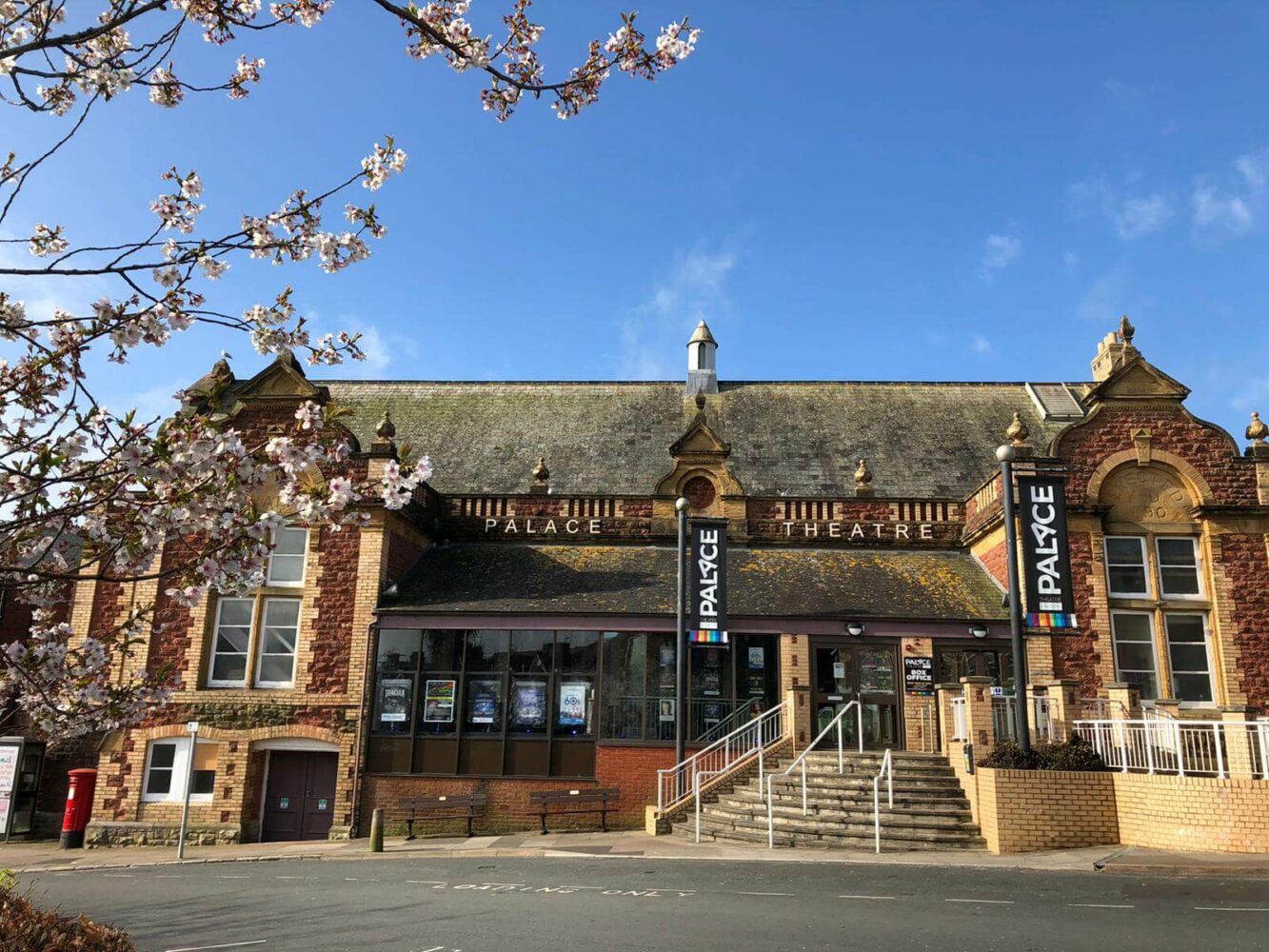
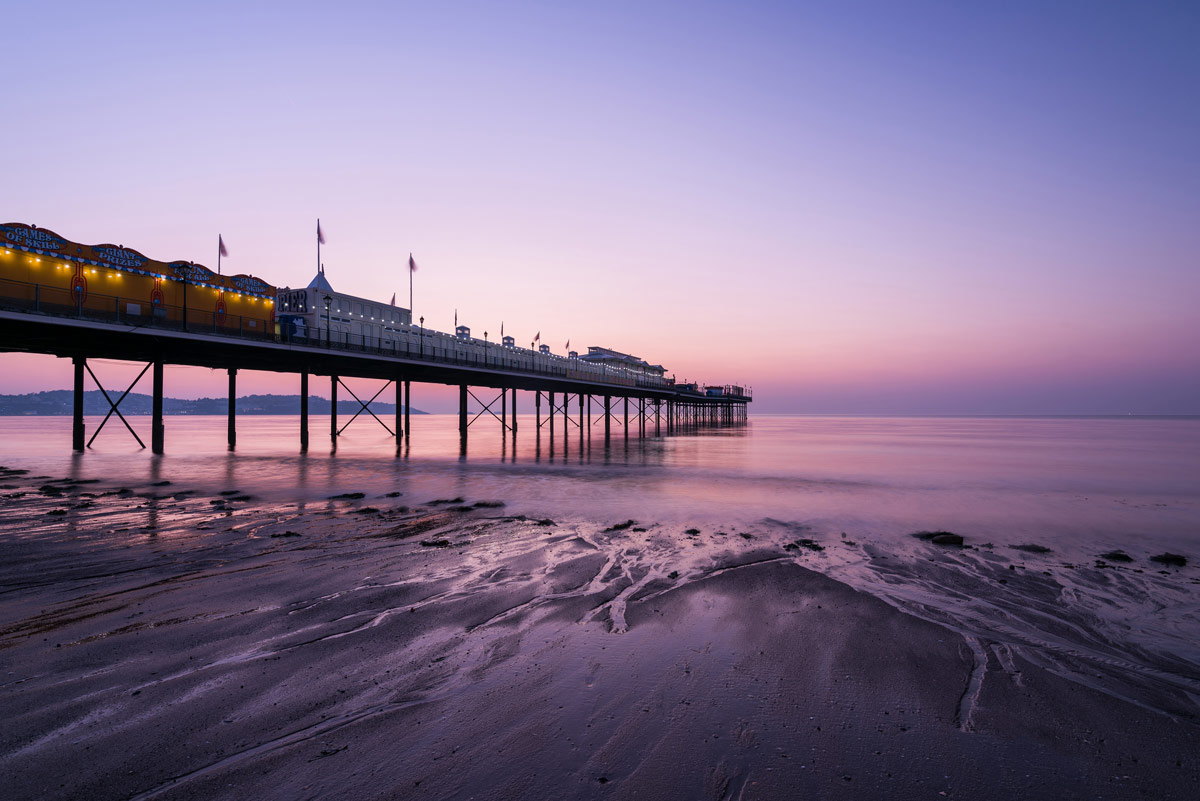
Just a short stroll from the beach in the heart of Paignton, you’ll find the charming Palace Theatre. Wander through Paignton town to Palace Avenue, passing the tranquil and peaceful Palace Avenue Gardens before reaching the entrance. Opened in 1890, the theatre offers something for everyone, showcasing everything from popular dramas and touring plays to ballet, opera, tribute acts, musical shows, variety, audience with events and children’s performances.
Before the show, why not grab a bite to eat at one of the many restaurants, pubs and bars in Paignton? The town boasts a range of different cuisines for every taste, from Indian, Chinese, Nepalese, Italian, more traditional British menus and much more.