Walk Exmouth’s Jurassic Coast cliffs

Two days on the UNESCO Jurassic Coast from Exmouth: striking red desert cliffs, sweeping pebble beaches and iconic sea stacks, all within easy walking distance and short bus hops.
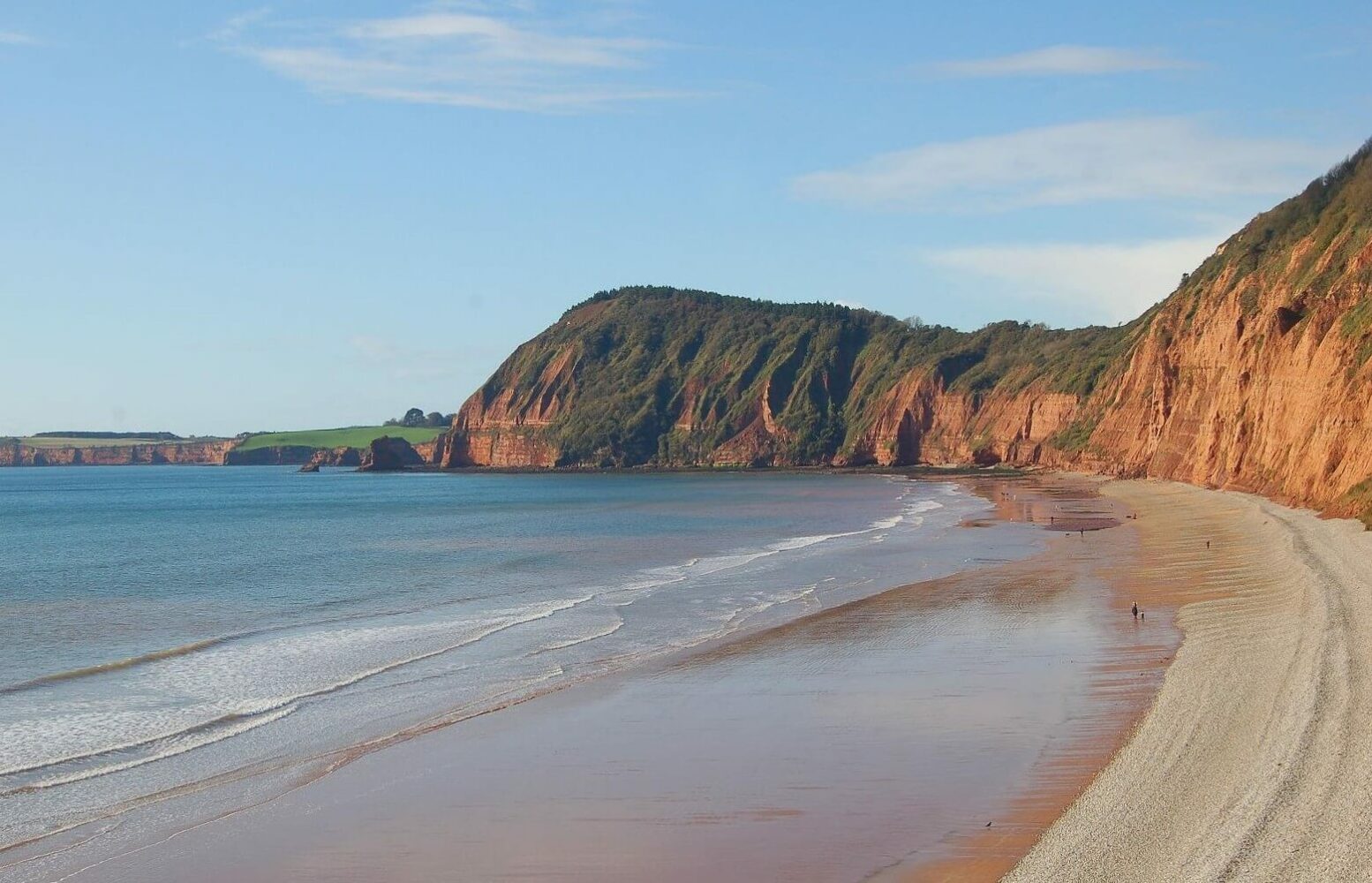
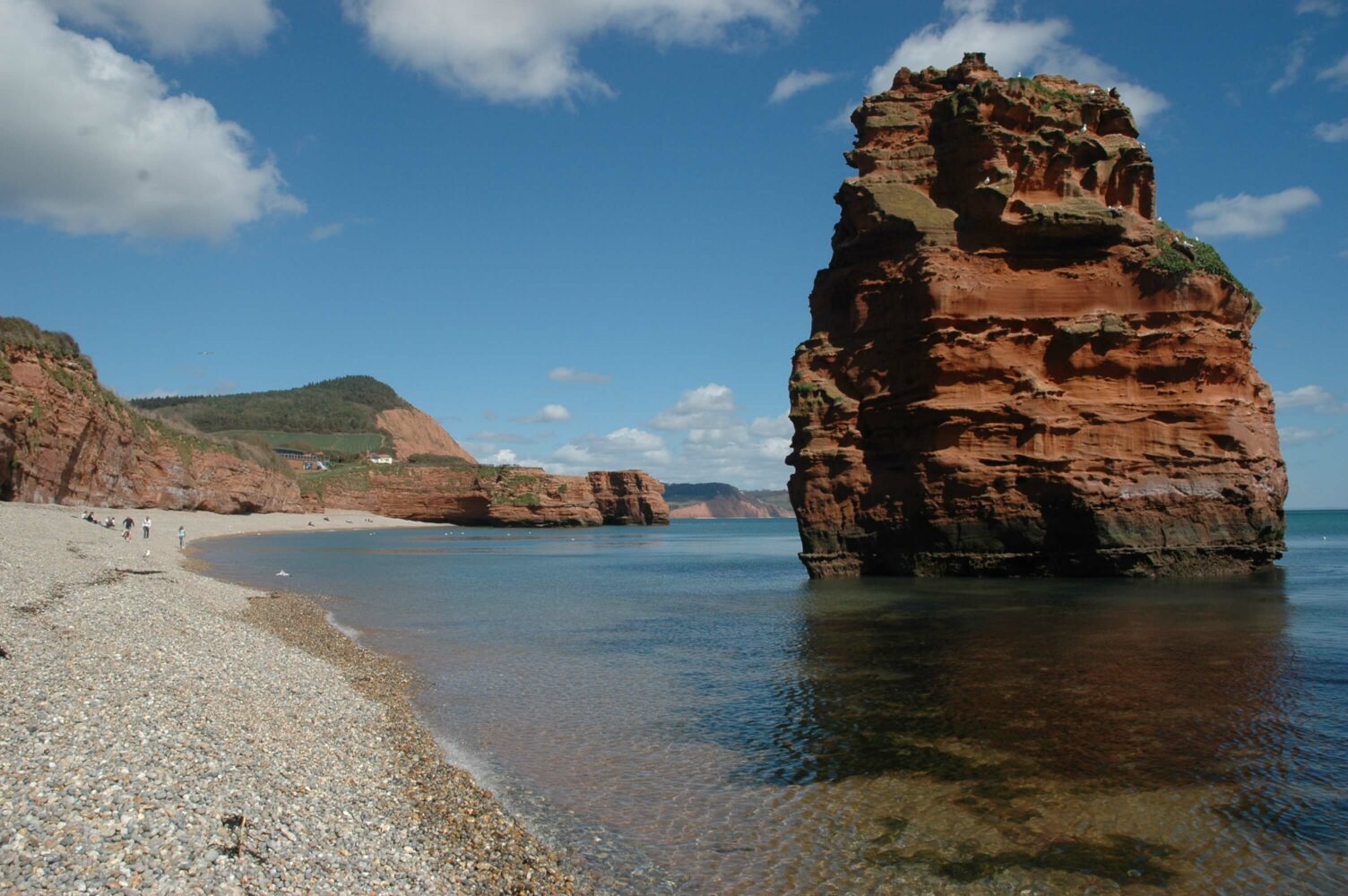
Exmouth sits at the western gateway of the Jurassic Coast World Heritage Site. Over two days, explore vivid red Triassic cliffs at Orcombe Point, walk to Budleigh Salterton’s famous pebble beach, then hop by bus to Sidmouth for Jacob’s Ladder and clifftop views to Peak Hill. Finish at Ladram Bay where erosion leaves sandstone towers (sea stacks) offshore. The trail mixes easy seafront walking with longer coast-path options, with regular bus returns to Exmouth for relaxed evenings by the water.
Day One
Morning
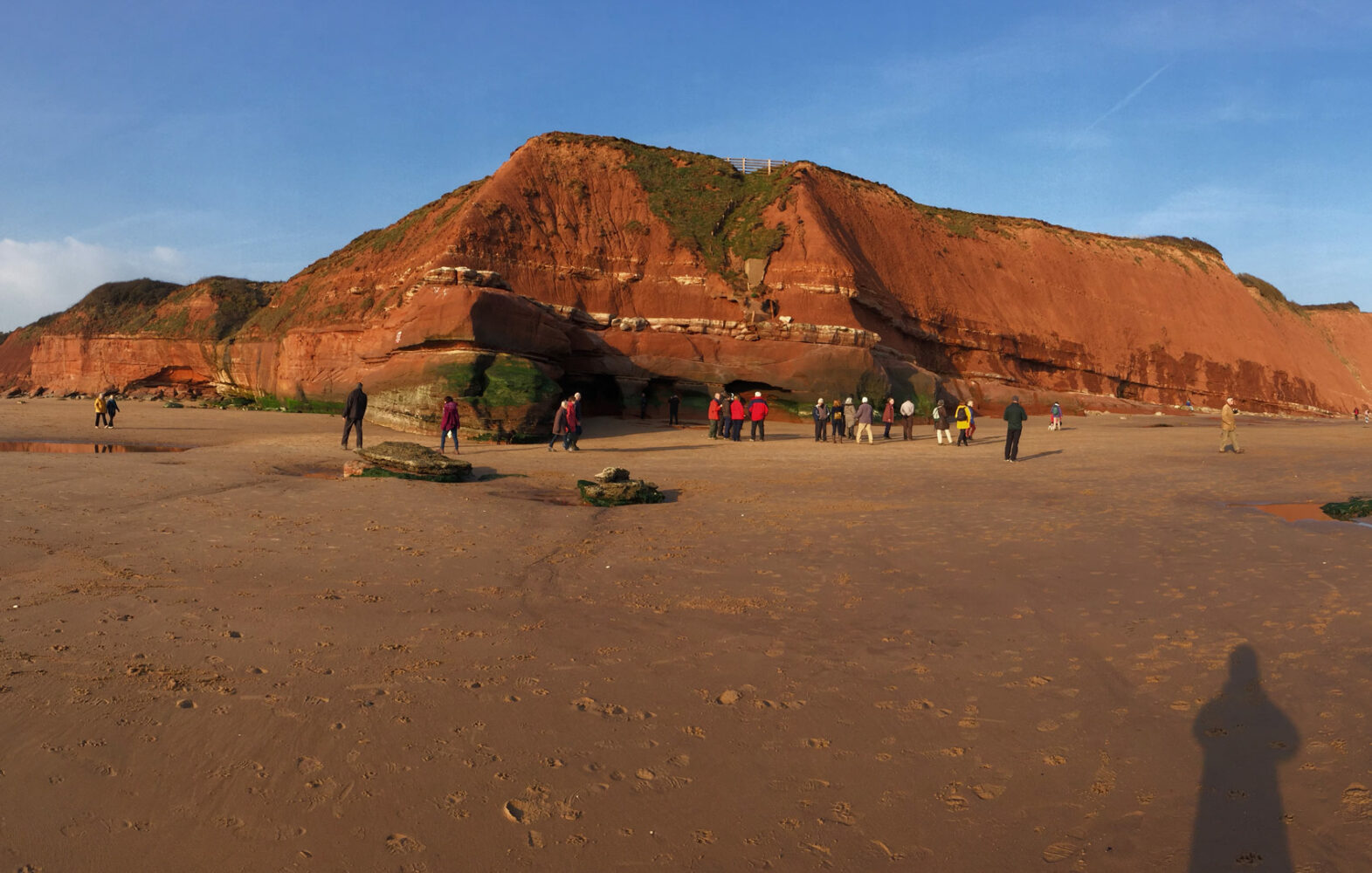
From Exmouth station, stroll to the seafront and follow the coast to Rodney Point, the western marker of the Jurassic Coast. On the foreshore, look for vivid red sandstones and tilted layers laid down in desert conditions around 250 million years ago. From here, follow the beach and cliff line towards Sandy Bay, watching the cliffs shift from dune sands to river-laid silts and muds deposited by ancient rivers. Take a walk back to Queen’s Drive and Climb the South West Coast Path to the Geoneedle, a Portland-stone monument inlaid with rock types from along the Jurassic Coast and for great panoramic views back across Exmouth Bay. If weather and tides permit, this is a great opportunity for a swim in the sea or exploring the rocks pools around Rodney Point.

Afternoon
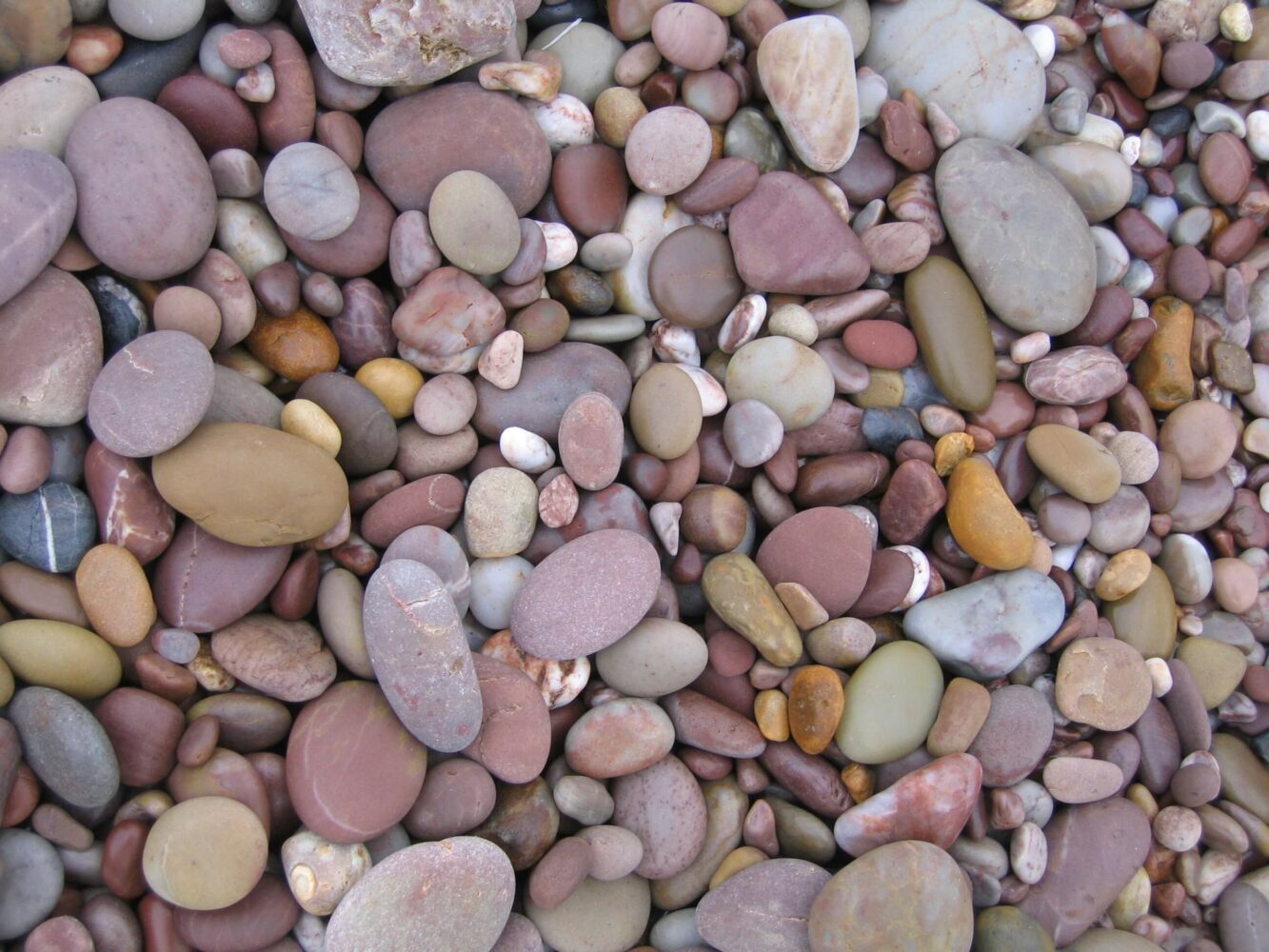
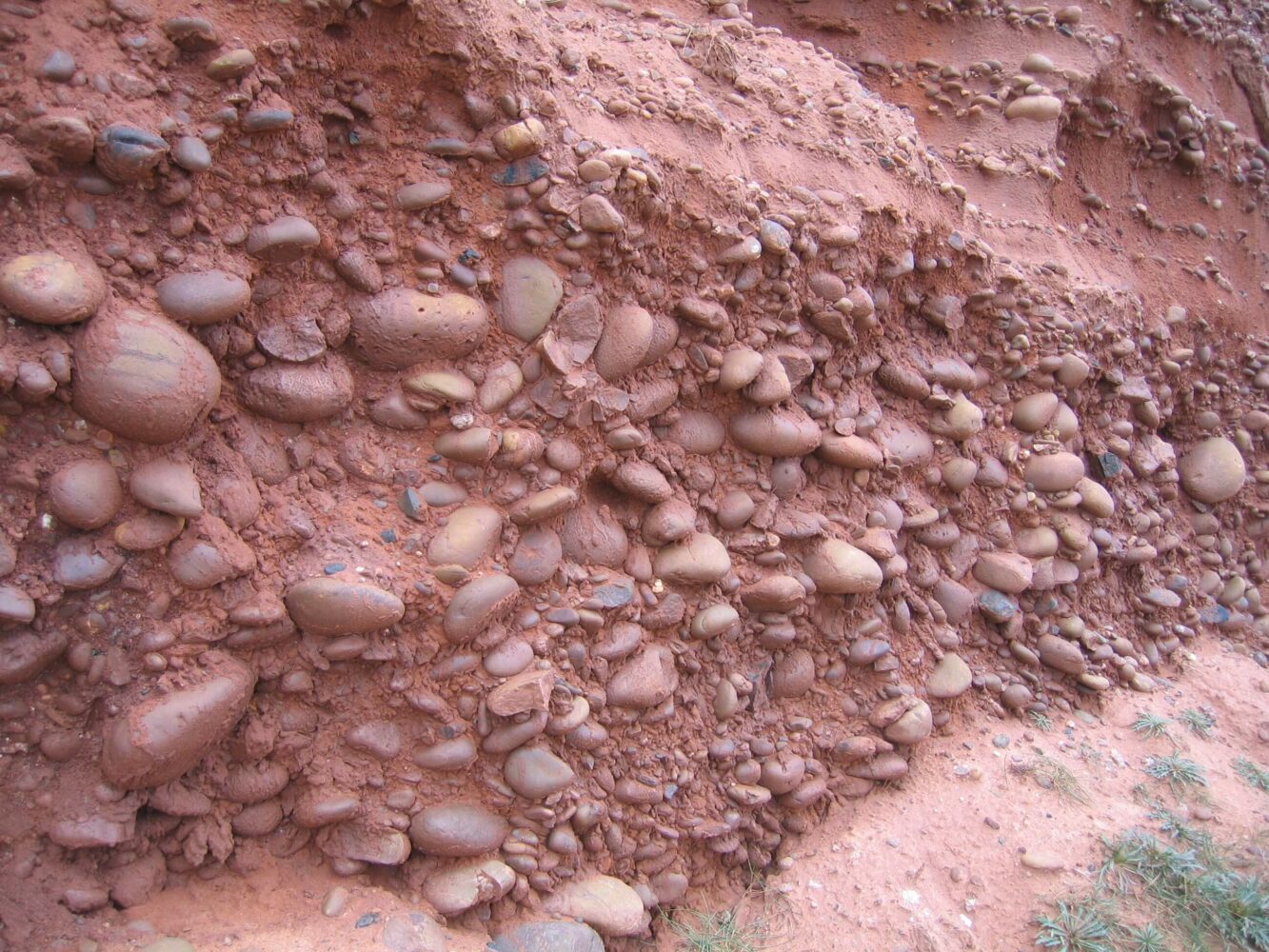
Follow the South West Coast Path east from Orcombe Point towards Straight Point and on to Budleigh Salterton (approx. 8.7 km). Red cliffs and tilted bedding record shifting sands and channels, while softer, muddy beds weather back into small bays. Budleigh finishes the walk with a broad shingle shoreline. The rounded pebbles began as ancient river gravels 246 million years ago and were later reworked by waves into today’s beach. Head west to see where the layers of river pebbles remain locked in the cliffs. Head east towards the low cliffs behind the promenade to spot mineralised root traces from an ancient dry landscape. Take the rest of the afternoon to explore the tranquil Otter Estuary, a great spot for birdlife and even a chance of beaver sitings.
Evening
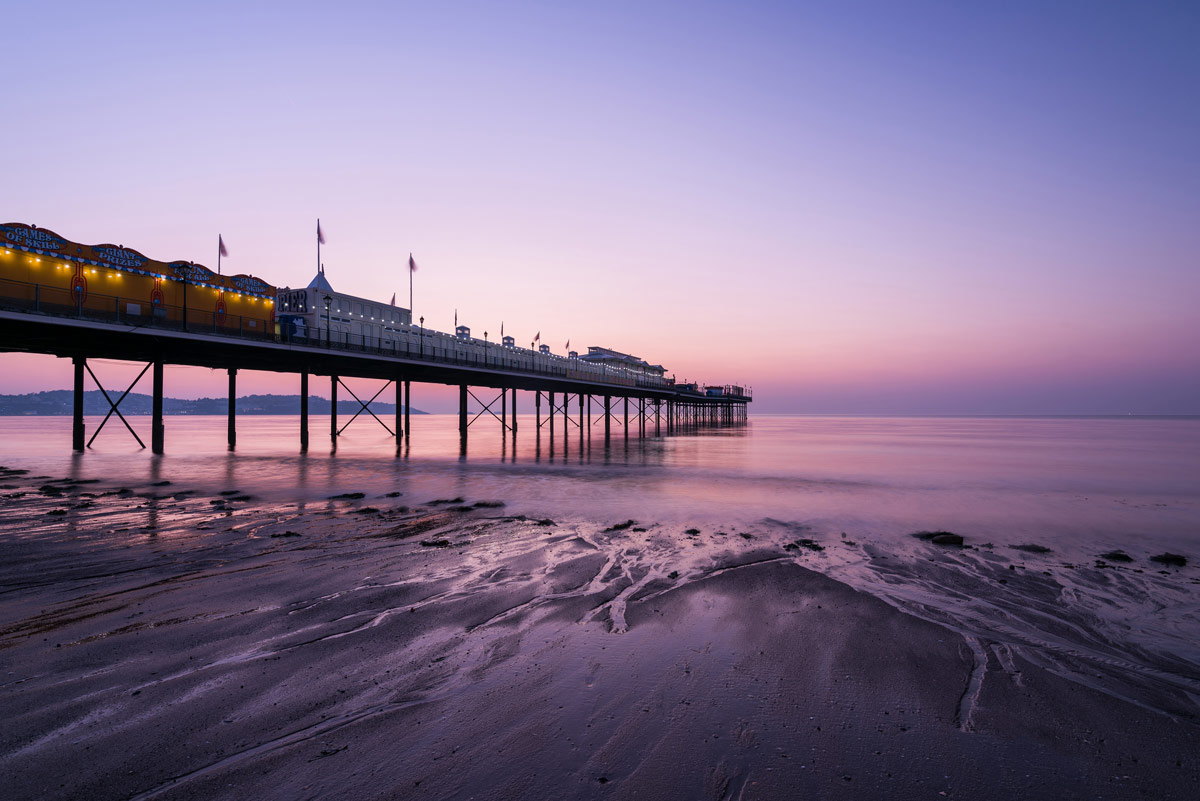
Back in Exmouth, wind down with a sunset promenade along the esplanade and the marina and well-deserved ice cream or coffee before dinner. If conditions are calm, consider a guided paddleboard or kayak session for a sea-level view of the strata and headlands. Finish with dinner on the waterfront and an early night ready for Sidmouth’s clifftops tomorrow.
Travel Recommendations
Local return by bus to Exmouth, then easy walking along the waterfront for evening food and views. |
||
Exmouth seafront) |
Map |
Day Two
Morning
Take the bus from Exmouth towards Sidmouth. Start the morning at Sidmouth Museum to see unique fossils from the area learn about the geological history of the cliffs you will be exploring for the day. Then head to the seafront, walking along the beach towards Jacob’s Ladder and Chit Rocks, where the famous white steps rise up to the gardens, and the towering red cliffs feel close enough to touch. The rocks here tell a story of ancient arid conditions, where layers were built by desert rivers roughly 240 million years ago. In the sandstone you can often pick out angled layers that record ancient flowing water, while softer, muddier bands break down faster, helping carve the curves and little notches along the bay. Time it for low tide and you’ll find rock pools along the shoreline, perfect for a slow wander and a closer look at seaside life before climbing the steps for an unforgettable clifftop panorama back across the whole curve of Sidmouth Bay. The sweeping views, pretty gardens and plenty of seating make this a great place to stop for lunch.
Travel Recommendations
Bus from Exmouth to Sidmouth on Stagecoach 157; short walks around Sidmouth seafront and Jacob’s Ladder. |
||
Sidmouth Jacob’s Ladder |
Map | |
Stagecoach 157 timetable/route |
Visit | |
Sidmouth Museum |
Visit | |
Jacobs Ladder beach view point |
Map | |
Jacobs Ladder Kiosk |
Map | |
The Clock Tower, Sidmouth |
Visit |
Afternoon
Take time to enjoy Connaught Gardens, a clifftop wonder above Jacob’s Ladder, with sheltered garden spaces and terraces that open out to wide sea views across Sidmouth Bay. The gardens were formally opened in 1934 by the Duke of Connaught, and they’re still a popular spot in summer, with events often advertised on the noticeboard nearby. Pause for photos looking down to the beach, then walk the cliff-edge paths to pick up the South West Coast Path and head towards Peak Hill. This stretch gives big, open views over the red cliffs and scalloped bays shaped by ongoing coastal change, with the sea alongside for much of the walk.
Travel Recommendations
Clifftop walking along the South West Coast Path (Sidmouth–Peak Hill and back). Keep to signed paths and check any diversions after cliff falls. |
Evening
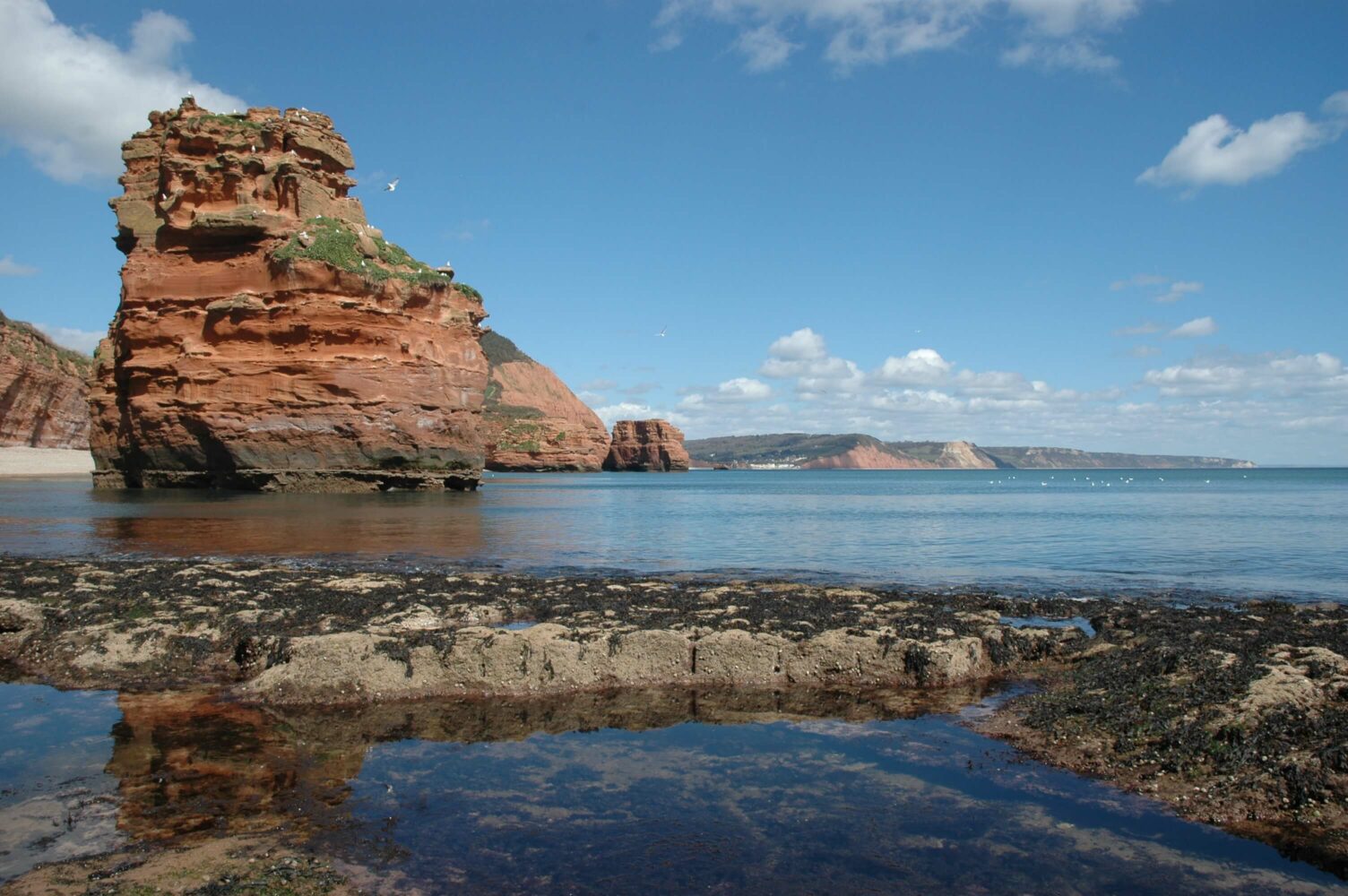
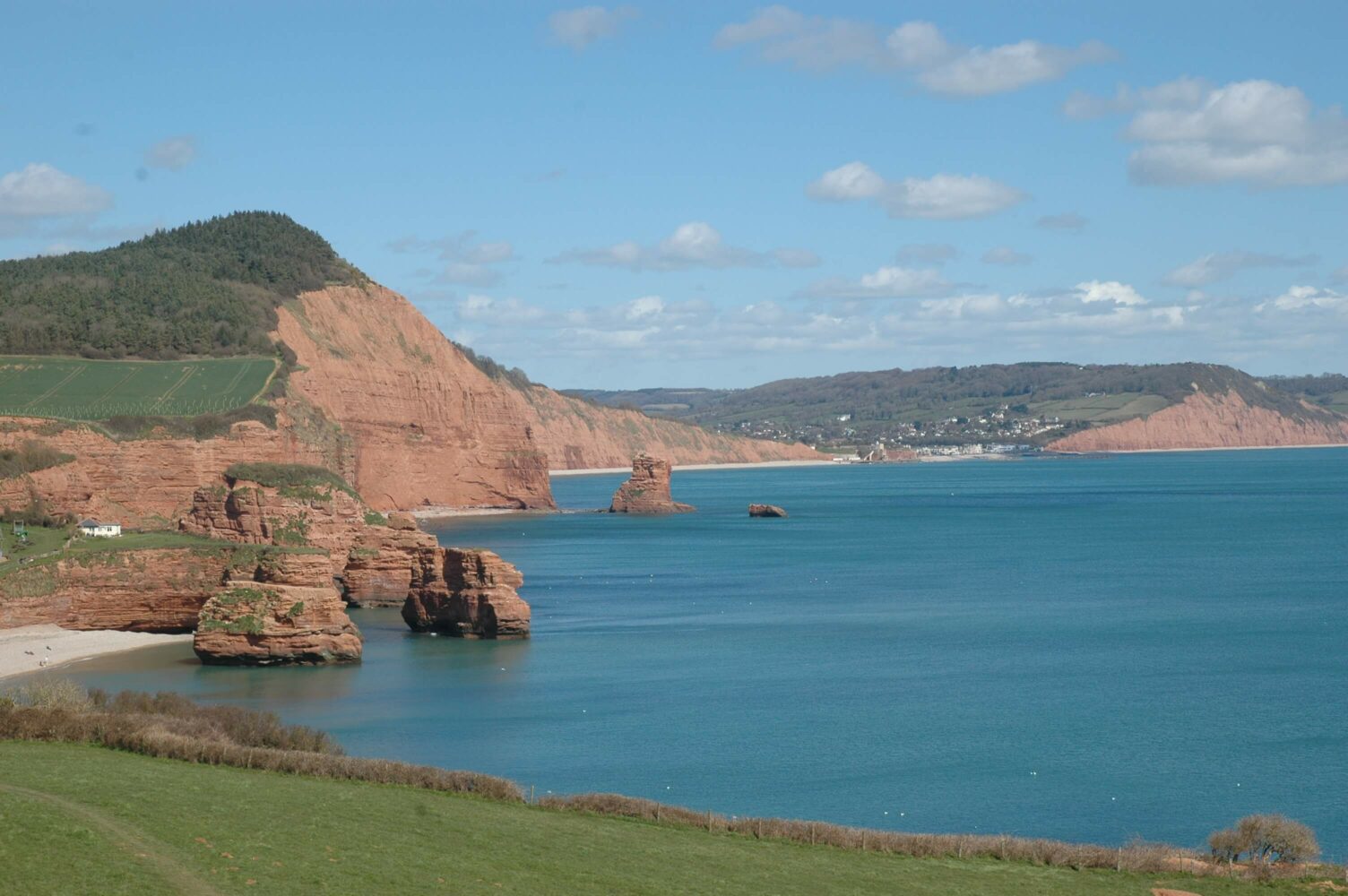
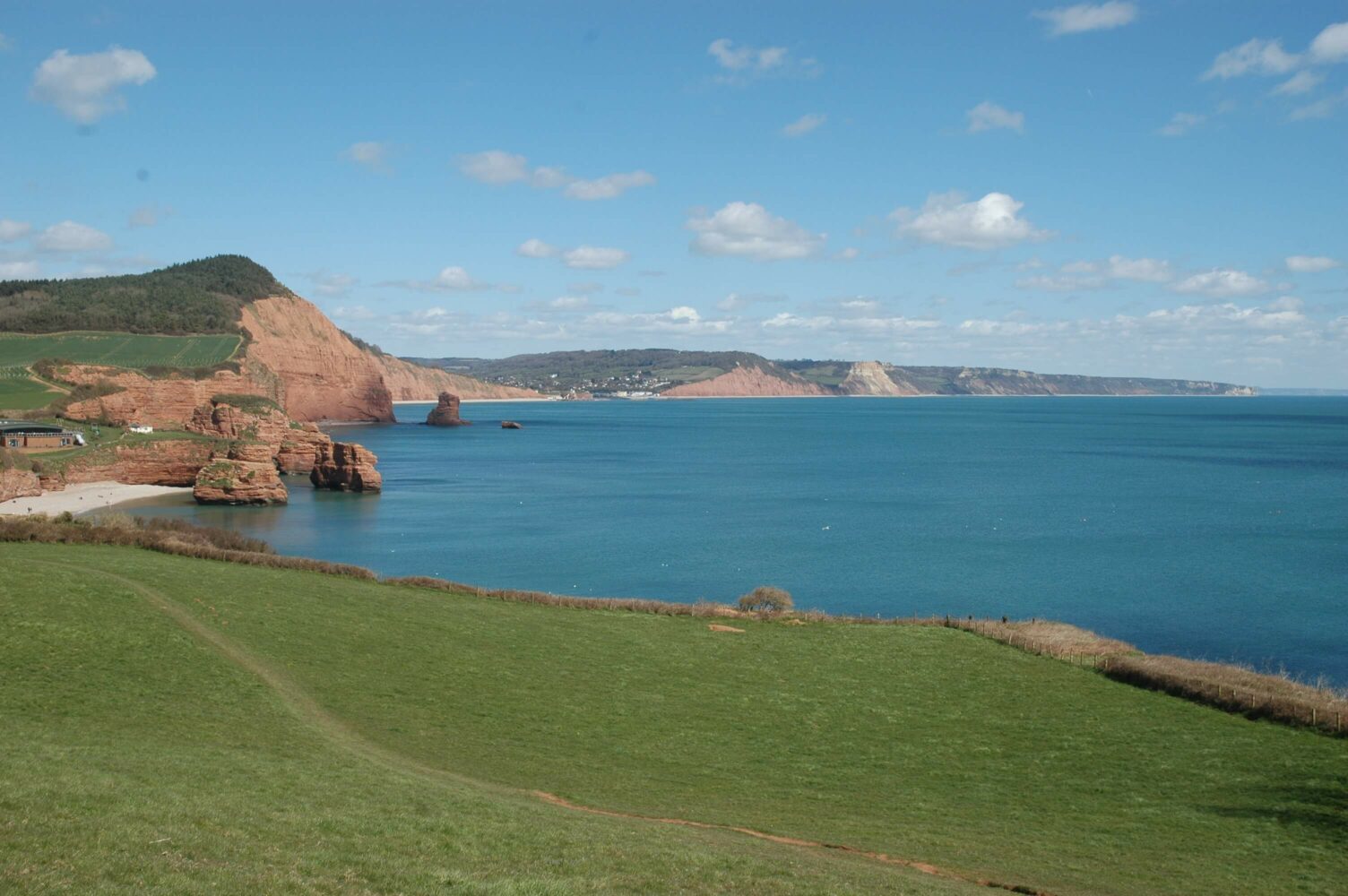
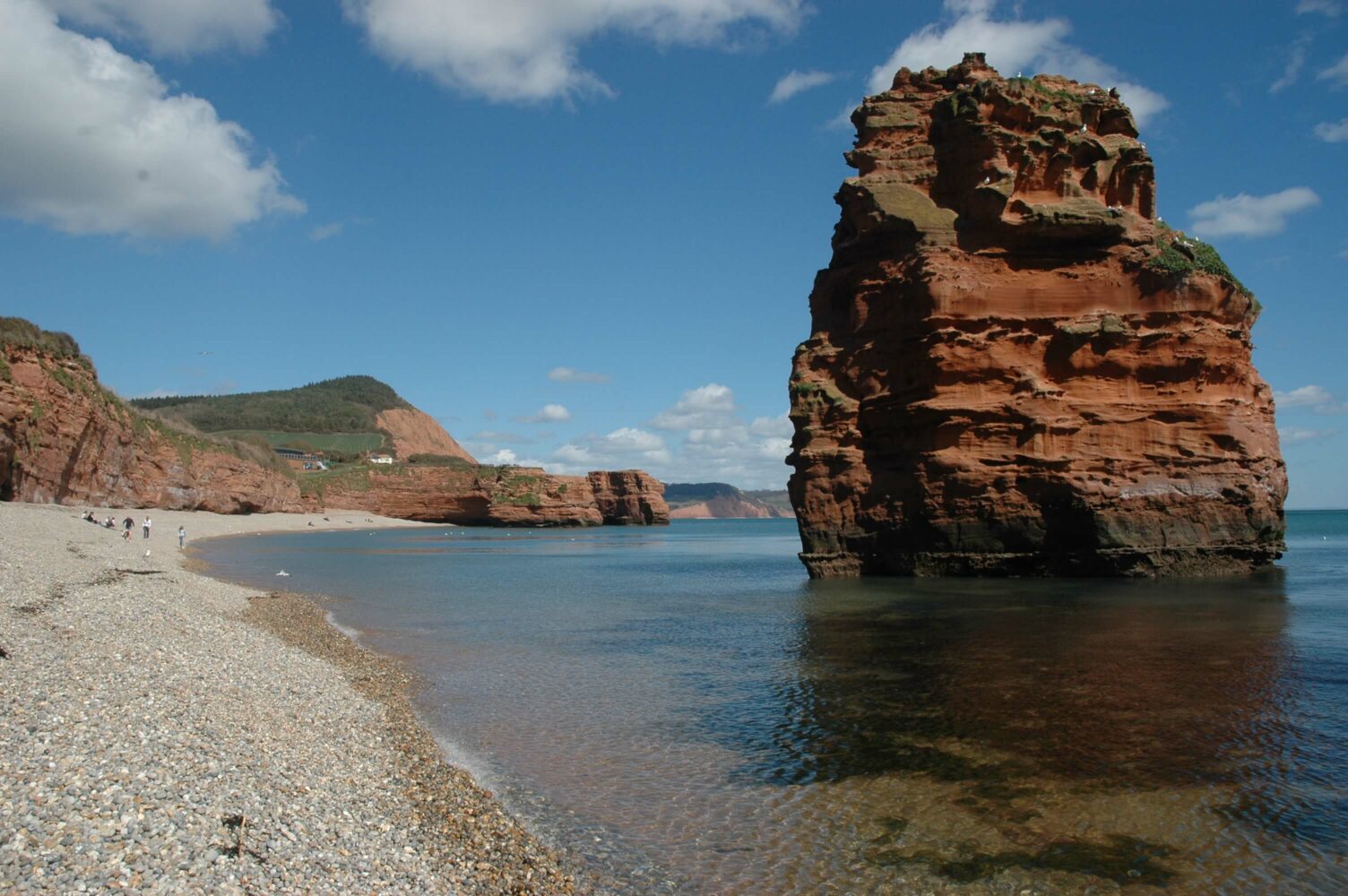
From the South West Coast Path head to Ladram Bay for one of East Devon’s most recognisable skylines, the famous sea stacks. These towers are remains of caves and arches that have collapsed over time due to the power of the ocean waves. The best way to view the stacks are from either the beach for a more immersive perspective, or from the cliff path near High Peak to look down across the stacks. This is a great place to stay for golden hour when the stacks silhouette against the evening sky. To get back to Exmouth, walk inland to Otterton village and catch the Stagecoach 157 (Exmouth–Sidmouth) from Otterton (Ottery Street). If you’re short on daylight, take a taxi back to Sidmouth or Otterton to connect with the 157.