
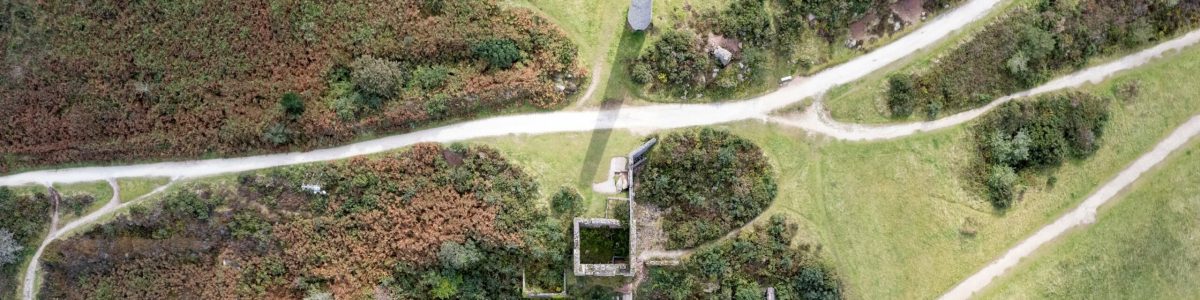
In 2006, the Cornwall and West Devon Mining Landscape was inscribed as a UNESCO World Heritage Site—recognised not only for its dramatic scenery and iconic engine houses perched on rugged cliffs, but for its global impact on mining technology, industrial innovation, and communities around the world. This year marks the 20th anniversary of that inscription, offering the perfect moment to rediscover (or discover for the first time) this remarkable place.
Today, the site stands as the largest Industrial World Heritage Site in the UK, stretching across 10 distinct Areas but united as one extraordinary World Heritage Site. From St Just in the far west to Tavistock in the east, it tells a story of ingenuity, determination, and global cultural connection—woven into the very landscapes that define Cornwall and West Devon.
More Than Iconic Engine Houses
The dramatic silhouettes of engine houses rising above the Atlantic are instantly recognisable symbols of Cornish identity. But the World Heritage Site is far more than these iconic views. It is an interconnected landscape of mines, ports, railways, towns, and innovation hotspots—landscapes that shaped the modern world through advancements in hard-rock mining, steam technology, and global migration.
This is a place where World Class Heritage, Outstanding Landscapes, and Amazing Stories meet. Beneath the surface of every valley, trail, or town square lies a history of experimentation, entrepreneurial risk, and world-changing ideas.
A Landscape of Stories: Innovation, Community, Global Reach
The Cornwall and West Devon Mining Landscape is alive with stories.
Stories of Innovation
Cornish mining engineers pioneered technologies that transformed mining globally—from the development of high-pressure steam engines to advanced mineral processing techniques. These innovations were shared worldwide, carried by generations of skilled workers who became part of a global Cornish diaspora, leaving their mark in places as far-flung as Mexico, South Africa, Australia, and the USA.
Stories of Community
Mining shaped not only the physical landscape but also the social one. Settlements grew around mines; railways and ports connected once-remote places; chapels, schools, and institutes supported communities built on mutual reliance. Even today, you’ll find a strong sense of identity and pride rooted in this shared heritage.
Stories Carried Across Continents
As mines closed, tens of thousands of Cornish families migrated overseas, taking their expertise—and their culture—with them. They built mining towns, introduced new technologies, and helped lay the foundations of industries worldwide. This global legacy is part of what makes the World Heritage Site so culturally rich and internationally significant.
Explore Two Very Different Landscapes by train
One of the joys of visiting the Cornwall and West Devon Mining Landscape is the immense variety within it. A single day can take you from wild coastal cliffs to tree-lined river valleys, and from bustling heritage attractions to tranquil riverside paths.
Take an inspirational journey into these fascinating landscapes:
The Tranquil Tamar Valley: Where Nature and Industry Embrace
Nestled in Area A10 on the border of Devon and Cornwall, the Tamar Valley offers a quieter, deeply immersive experience. Here, nature has softened the edges of the industrial past. Wooded slopes, peaceful riverbanks, and orchards blend seamlessly with the remains of former mine sites, arsenic works and quarries.
It’s a place for those who love walking, photography, and gentle exploration. You can wander along riverside trails, listen to birdsong echoing through steep-sided valleys, and uncover hidden remnants of the mining era that peek through moss, ivy, and twisted tree roots. This is a landscape where time slows down—where nature and industry are beautifully entwined.
The Capital of Cornish Mining: Camborne and Redruth
In contrast, the Camborne and Redruth area—often called the Capital of Cornish Mining—offers a richer, more urban, and more energetic heritage experience.
Here, you’ll find:
- Vibrant townscapes shaped by mining prosperity
- Fascinating heritage attractions, including museums and restored mine sites
- Extensive mining trails that take you through engine houses, tramways, and open countryside
- A once thriving port on the North Cornwall coast, essential for transporting copper ore to the smelters of South Wales and importing coal to drive the steam engines of the mines.
From engineering breakthroughs to community traditions, this area showcases the beating heart of Cornwall’s industrial past.
Just a Taste… You’ll Want to Come Back for More
The Cornwall and West Devon Mining Landscape is huge—far too vast, varied, and rich to explore in a single visit. Each of the 10 Areas has its own distinctive character, from windswept moorland mines to coastal harbours and historic market towns.
Wherever you start, you’ll find that the experience draws you in. One walk leads to another. One viewpoint inspires another journey. The deeper you look, the more stories you uncover.
This year, as we celebrate 20 years of UNESCO World Heritage Status, there has never been a better time to begin your discovery.